Home
Blogs
Two Wheeler Insurance
How To Swtich From Third Party Insurance To A Comprehensive Two Wheeler Insurance
Summary
Switching from third-party to comprehensive two-wheeler insurance can provide wider protection for your bike. The process to convert third party insurance to comprehensive insurance involves reviewing your existing policy, comparing coverage, premiums, IDV, deductibles and add-ons, and preparing the required documents. You can also switch to comprehensive insurance during the policy term, subject to the insurer’s terms. Understanding the coverage, maintaining your No Claim Bonus and avoiding gaps between policies can help make the transition smoother.
Any two-wheeler owner will know how important it is to switch their insurance from a basic to a comprehensive bike insurance plan. This guide walks you through each moving process step in great detail, ensuring you understand the perks, the paperwork you need, and how to apply. Whether you ride your bike to work every day or occasionally, this switch can give you better security and peace of mind.
Looking at what your current insurance gives before making any changes is essential. Many riders start with a simple safety plan that only covers third-party claims. For example, you might not get as many perks if your current coverage is third party bike insurance. Usually, it will only cover damage to someone else's property, not your own or your own accidents. Knowing these limits is the first thing you must do to make a smart choice.
Going over your current 2-wheeler bike insurance policy carefully is the first thing you should do when you decide to switch. Take a look at this:
1.1 Coverage Limitations: Figure out what your current coverage doesn't cover.
1.2 Renewal Date: Find out when your present coverage is up for renewal so you can plan for the change.
1.3 Claim History: Look over past claims to see if there were any coverage holes.
1.4 Budget Considerations: Find out if the rate you're paying now fits your budget and if moving could save you money.
These things will help you determine if now is the right time to improve.
Once you've decided to switch, the next thing you should do is look into the different types of insurance plans that are out there. Online research lets you compare different companies based on their coverage details, customer service, how often they settle claims, and the cost of their premiums.
When you're studying, think about a plan with substantial rewards. For your two-wheeler, this might be the best comprehensive bike insurance choice.
Keep these things in mind as you do your research:
2.1 Compare Multiple Providers: Research at least three different insurance companies.
2.2 Read Reviews: Look at reviews and comments from other users to understand how reliable something is.
2.3 Examine Add-ons: Find any extra features that might be useful, like engine safety or zero-depreciation cover.
2.4 Premium Calculators: Use tools online to get an idea of how much it will cost to upgrade.
If you follow these tips, you'll be able to find the best plan for your needs.
When you switch insurance companies, you need to keep careful records. Get all the papers you'll need, like your present insurance, vehicle registration, and records of past claims. Also, get quotes from several different providers to compare prices and perks.
At this point, you should consider a strategy that meets your needs. It might be comparable to choosing a reliable 2-wheeler bike insurance plan that fits your price and ride style.
Here are some important papers and steps:
3.1 Vehicle Registration Papers: Make sure all the information is correct.
3.2 Existing Policy Document: This helps make sure that coverage is still valid.
3.3 ID Proof and Address Proof: Standard paperwork that all insurance applicants need.
3.4 No Claim Bonus (NCB) Certificate: This could lower your premiums.
3.5 Quotation Requests: Ask for thorough explanations of the different types of covering.
You can feel good about moving forward with the switching process once you've organised these papers and compared quotes.
Once you've decided, the next step is to officially apply for the new policy. The application process is usually easy, but it's essential to be exact. When you fill out the registration form, ensure all your personal and vehicle information is correct.
This step is crucial, especially if you want to buy a policy with better benefits, like a strong two wheeler insurance plan.
Here are some things you should do when applying:
4.1 Double-Check Details: Making mistakes on your application can cause delays or even get your claim turned down.
4.2 Understand the Terms: Make sure you understand what the service includes and what it doesn't.
4.3 Seek Clarification: If you have any questions about the policy rules, you can talk to customer service.
4.4 Submit All Documents: As we already said, attach all the relevant papers.
If you follow these steps, the change to a complete strategy will go smoothly and without any problems.
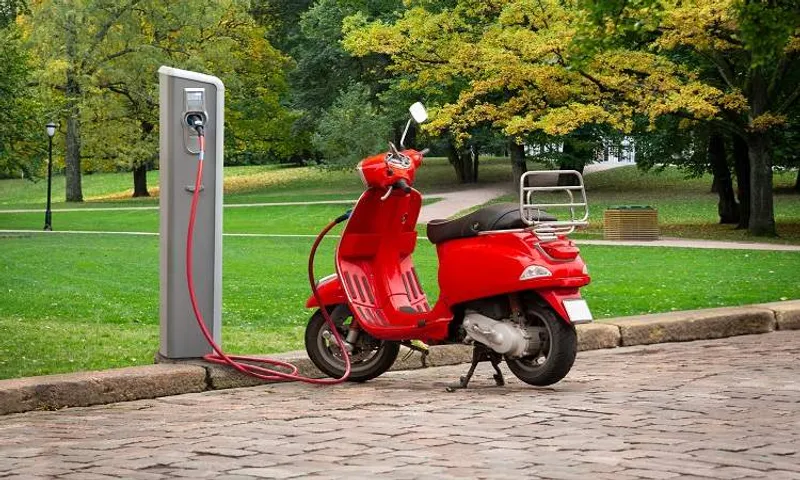
If you own a scooter, the insurance process remains largely the same, but there are a few additional factors to consider. Look for a plan that is suitable for two-wheeled scooters and offers features that address common scooter-related needs.
When comparing your options, you may find that a specific scooter insurance plan offers benefits that are better suited to your scooter's model and how you use it.
If you own a scooter, keep these factors in mind:
Compare the premium of the comprehensive policy with your existing third-party insurance and consider the additional cost for wider coverage.
Check what the policy covers, including damage to your own two-wheeler, theft, accidents, natural calamities and other specified risks.
The Insured Declared Value (IDV) represents the maximum amount payable if the bike is stolen or damaged beyond repair. Check whether the IDV is appropriate for your vehicle.
Review the deductible you will have to pay during a claim. A higher deductible generally means a greater out-of-pocket expense.
If you have accumulated a No Claim Bonus (NCB), check how it applies when you switch policies and whether it can be carried forward.
Wondering how to change third-party insurance to comprehensive insurance? To do this, you need to end your current third-party bike insurance and ensure no gaps in your coverage. Do these things:
Ensure the new policy begins immediately after the old one ends.
Ensure you have written proof from your old and new providers that you have made the switch.
Some insurance companies may have specific cancellation rules or fees.
Keep all records linked to both rules for future use. Timing is critical, and you need to be able to talk to both providers clearly for the transfer to go smoothly.
Yes, you can switch from a third-party bike insurance policy to a comprehensive insurance policy even after your current policy has started. Third-party insurance is mandatory in India, but it only covers your legal liability towards third parties. It does not cover damage to your own bike. Whereas a comprehensive policy combines third-party liability cover with own damage cover, offering wider protection for your two-wheeler.
However, if you are planning to switch, remember that the premium will most probably be higher because of the wide coverage it offers. The cost can depend on factors such as the bike's model, IDV, location and selected add-ons.
A comprehensive policy offers broader protection by covering both third-party liabilities and several risks affecting your own bike. Here are some common benefits you would enjoy:
It covers damage to your bike caused by accidents, subject to the terms and conditions of the policy.
If your bike is stolen, the policy can provide financial protection based on the applicable IDV and policy terms.
Damage caused by events such as floods, earthquakes and other natural calamities can be covered.
The policy can cover damage caused by fire, riots and other specified man-made incidents.
You can extend your protection with suitable add-ons, such as Zero Depreciation, Engine Protect and Consumables Cover, depending on the insurer.
Note: Before switching, check the policy terms, deductibles, IDV and add-on coverage carefully. This helps you understand exactly what is covered and what you may have to pay during a claim.
Changing from a basic third-party plan to a comprehensive bike insurance policy is a smart move that can give you a lot of benefits and better protect your two-wheeler. You can ensure the change goes smoothly and meets all your insurance needs without any gaps in coverage if you follow this guide.
Remember that making a smart choice today can keep you from having big problems tomorrow. Spend some time learning about your new insurance policy. Ask questions and make sure you understand everything about it.
Switching gives you better coverage, including protection against damage, theft, and injuries. The extra protection it offers makes you and your two-wheeler safer.
The current insurance, the vehicle registration papers, photo ID, proof of address, and the NCB certificate are the things you will need. These will make sure that the change to your new policy goes smoothly.
Carefully plan the switch by ensuring that the end date of your old policy and the start date of your new policy are the same. Always check the times with your 2-wheeler bike insurance company to ensure you don't lose coverage.
Disclaimer: The above information is for illustrative purposes only. For more details, please refer to the policy wordings and prospectus before concluding the sale.
Was this article helpful?



Scan To Download


